Sensory Issues in Autism Spectrum: Signs & Solutions
Key Points:
- Children on the autism spectrum often experience heightened or reduced sensitivity to sensory input, which can impact daily functioning and emotional regulation.
- Recognizing specific sensory triggers and patterns is essential for providing effective support at home, school, and in therapy.
- Practical strategies, routines, and professional interventions—including ABA therapy—can help children feel safe, calm, and supported while developing independence.
Children on the autism spectrum often process the world differently, and one of the most noticeable ways this manifests is through sensory sensitivities. Unlike typical sensory experiences, these sensitivities can feel overwhelming, unpredictable, or even painful to a child. From loud noises that trigger panic to textures that cause avoidance, sensory issues can affect everything from playtime to mealtime and even sleep. Understanding what these challenges look like—and knowing how to address them—can make a significant difference in a child’s comfort, confidence, and overall well-being.
Applied Behavior Analysis (ABA) therapy can be a valuable tool in helping children navigate sensory challenges. By creating individualized plans that account for sensory processing differences, ABA therapy supports children in learning coping skills while promoting independence and positive behaviors.
Understanding Sensory Processing Differences in Autism
Sensory processing refers to the way the brain receives, interprets, and responds to information from the senses. Children with autism may be hypersensitive (over-responsive) or hyposensitive (under-responsive) to stimuli. Some may even experience a mix, depending on the sense or situation. These differences can influence behavior, emotional regulation, and learning.
Common senses affected include:
- Auditory – sensitivity to volume, pitch, or background noise
- Visual – heightened awareness of lights, colors, or movement
- Tactile – reactions to textures, clothing, or touch
- Olfactory & Taste – strong preferences or aversions to smells and flavors
- Vestibular & Proprioceptive – balance, movement, and body awareness
By recognizing patterns in these sensory responses, parents can better anticipate triggers and tailor strategies that help their child feel secure.
 Common Signs of Sensory Issues
Children with sensory challenges may display a wide range of behaviors. These behaviors are often ways of coping with overwhelming input or seeking additional stimulation. Understanding these signs helps parents and caregivers intervene effectively.
1. Auditory Sensitivities
Children may cover their ears, cry, or become anxious in response to everyday sounds like vacuums, sirens, or crowded classrooms. Some may refuse headphones or become agitated during group activities.
2. Tactile Sensitivities
Clothing tags, certain fabrics, or messy textures like finger paint can lead to avoidance, meltdowns, or rigid clothing preferences. On the other hand, some children may seek intense pressure or rough play to regulate their sensory system.
3. Visual Sensitivities
Bright lights, rapid movement, or crowded spaces can be overwhelming. Children might squint, look away, or cover their eyes, and in some cases, they may fixate on spinning objects or lights as a form of self-stimulation.
4. Taste and Smell Sensitivities
Picky eating is common, but it can go beyond preference. Strong odors or certain textures may trigger gagging, refusal, or emotional distress. Conversely, hyposensitive children may crave strong flavors, spices, or sour foods.
5. Vestibular and Proprioceptive Differences
Difficulties with balance, coordination, or body awareness are common. Some children avoid climbing or running, while others seek constant motion, like rocking, jumping, or spinning, to feel grounded.
Recognizing these patterns is the first step toward developing strategies that reduce distress and promote positive engagement.
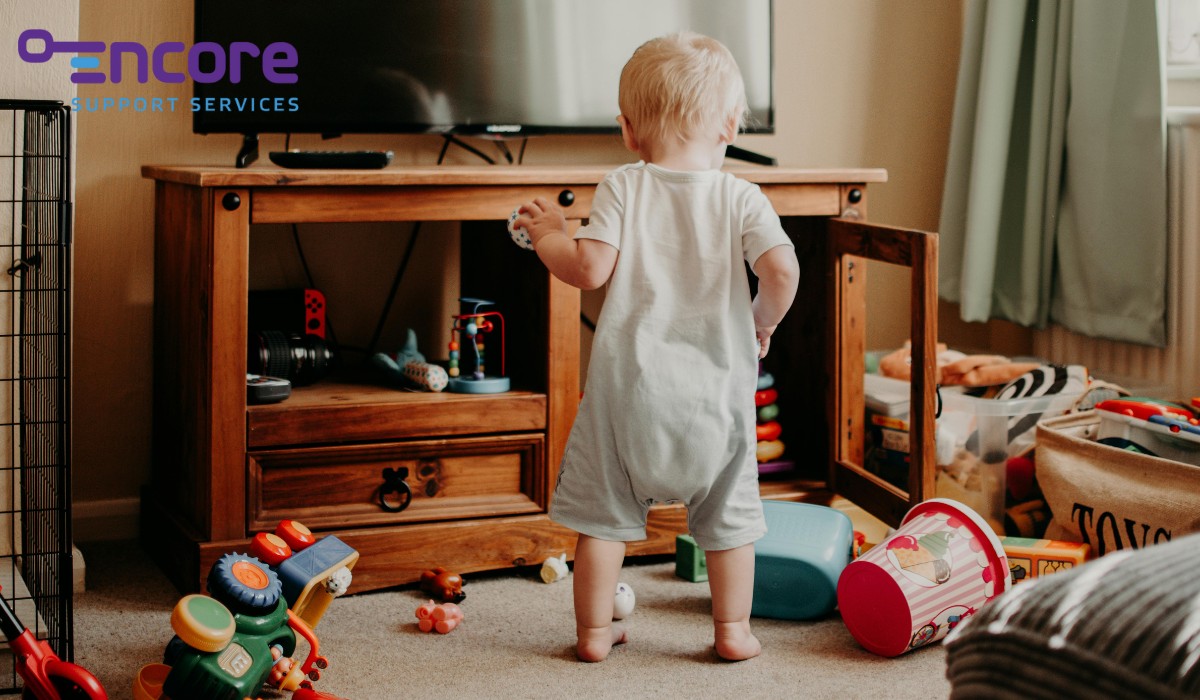 Practical Solutions for Supporting Sensory Needs
Once sensory sensitivities are identified, consistent strategies at home, school, and therapy settings can make a meaningful difference. Here’s a structured approach:
1. Create a Predictable Environment
- Establish routines that reduce unexpected sensory input.
- Provide warnings before transitions, loud noises, or crowded environments.
- Use visual schedules or timers to help children anticipate changes.
2. Modify Sensory Input
- Auditory: Noise-canceling headphones, soft background music, or reduced volume settings.
- Tactile: Soft clothing without tags, gradual exposure to new textures, or sensory-friendly utensils for meals.
- Visual: Dim lighting, use of sunglasses indoors, or visual breaks from overstimulating areas.
3. Introduce Sensory Diet Activities
A sensory diet involves structured activities that provide sensory input throughout the day to help regulate the nervous system. Examples include:
- Proprioceptive Input – Jumping on a mini-trampoline, heavy work (pushing/pulling), or carrying weighted objects.
- Vestibular Input – Swinging, spinning slowly in a chair, or balance exercises.
- Tactile Exploration – Playing with sand, rice bins, or textured toys in small, manageable doses.
- Auditory Play – Listening to rhythmic music, drum exercises, or soft singing.
These activities help children regulate emotions, reduce anxiety, and improve attention and engagement.
4. Use Positive Reinforcement
Reward adaptive responses to sensory challenges. For example:
- Praise a child for wearing a new texture or tolerating a sound.
- Offer small incentives or breaks to reinforce coping strategies.
- ABA therapy techniques can systematically reinforce these skills, making them part of the child’s everyday routine.
5. Gradual Exposure
For more challenging stimuli, start with short, controlled exposures, gradually increasing tolerance over time. Pair exposure with calming strategies, like deep breathing, fidget tools, or comfort objects.
[embed]https://www.youtube.com/watch?v=AGR-2g-jZUU&pp=ygUVYXV0aXNtIFNlbnNvcnkgaXNzdWVz[/embed]
When to Seek Professional Support
While many strategies can be implemented at home, professional guidance ensures interventions are safe, effective, and individualized. Signs that it may be time to seek professional support include:
- Severe or frequent meltdowns triggered by sensory input
- Avoidance of daily activities due to sensory distress
- Difficulty engaging in learning or social situations
- Sleep disruptions or feeding challenges related to sensory sensitivities
Professionals like occupational therapists (OTs) and ABA therapists specialize in addressing these challenges. ABA therapy, in particular, can teach coping strategies, adaptive responses, and functional skills that reduce sensory-related frustration.
How ABA Therapy Helps Children with Sensory Issues
Applied Behavior Analysis (ABA) therapy is highly effective in supporting children with autism, including those with sensory processing differences. ABA focuses on:
- Breaking Skills into Manageable Steps: Children learn to tolerate, adapt to, or respond appropriately to sensory stimuli through gradual exposure and reinforcement.
- Promoting Functional Skills: For example, learning to tolerate brushing teeth, wearing new clothing, or participating in group activities.
- Reducing Challenging Behaviors: ABA identifies triggers and teaches alternative strategies, reducing meltdowns or avoidance behaviors.
- Integrating Skills Across Settings: ABA programs coordinate with home, school, and community to ensure that progress in therapy carries over into daily life.
Individualized programs that consider each child’s sensory profile and learning style can help children develop effective coping strategies while building independence and confidence.
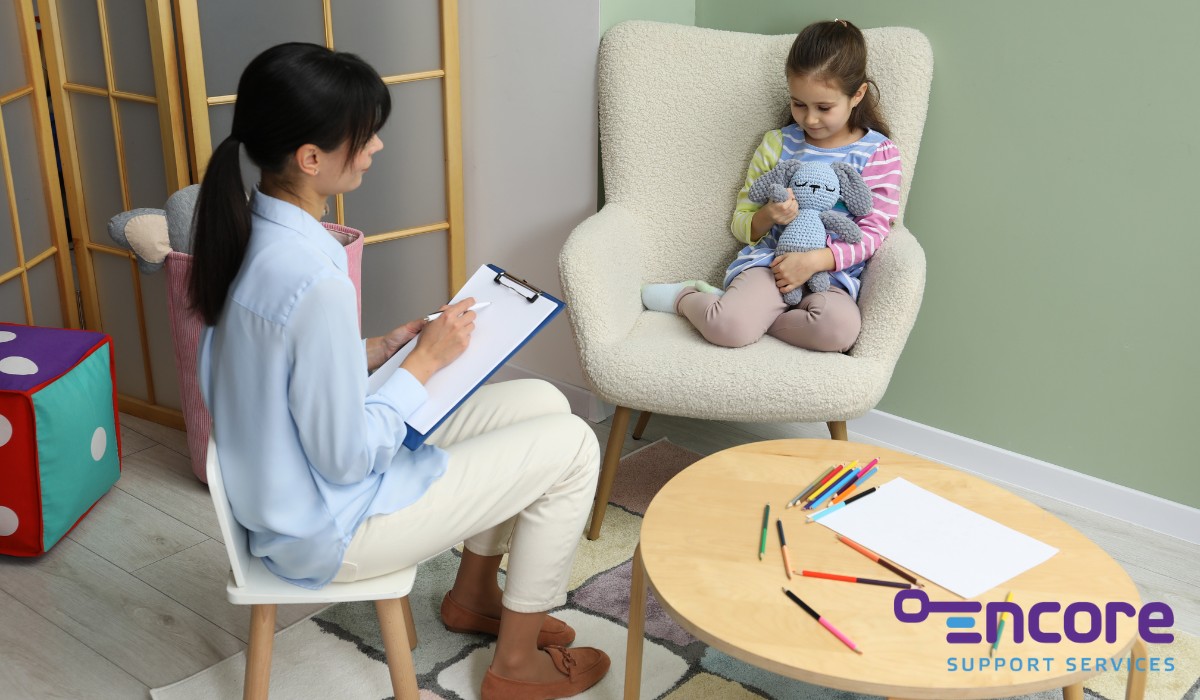 Tips for Supporting Sensory Needs Daily
Parents and caregivers can reinforce sensory coping skills throughout daily routines:
- Morning Routine: Use calming music, soft clothing, or gentle lighting to start the day with reduced sensory stress.
- Mealtime: Introduce new foods slowly, offer choices, and respect strong preferences while gently encouraging exploration.
- Playtime: Include sensory play like water tables, sand bins, or soft textures, allowing self-regulation through enjoyable activities.
- Homework and Learning: Reduce distractions, use visual schedules, and incorporate movement breaks to maintain focus.
- Bedtime: Create a predictable wind-down routine with dim lights, soft music, or weighted blankets for comfort.
Consistency, patience, and observation are key. Understanding your child’s unique sensory profile allows you to tailor strategies that help them thrive.
Navigating Sensory Issues with ABA Therapy
Sensory issues in children on the autism spectrum can be complex and multifaceted. By recognizing the signs, understanding triggers, and implementing practical strategies—alongside professional support—parents can create environments that feel calming, safe, and nurturing. ABA therapy provides structured, individualized support that helps children manage sensory sensitivities, build coping skills, and engage more confidently in daily life.
For families seeking
ABA therapy in New Jersey or in New York,
Encore ABA offers personalized programs delivered in a home-like setting. Through consistent guidance, reinforcement, and collaboration with families, children gain the tools to navigate sensory challenges and thrive across environments.
To learn more about how we can support your child’s growth and sensory development,
reach out today and explore our personalized ABA therapy programs.
Sensory Diet and Autism: 5 Activities to Try at Home
Key Points:
- A sensory diet is a structured set of activities tailored to help children with autism manage sensory sensitivities and improve focus and regulation.
- Parents can implement practical, evidence-based activities at home that target specific sensory needs, from tactile to vestibular input.
- Incorporating these activities into daily routines can reduce sensory overload, enhance comfort, and support emotional and behavioral regulation.
Children with autism often experience the world in ways that are more intense or differently processed than their peers. Bright lights, loud sounds, certain textures, or even unexpected movement can trigger overwhelm, distraction, or meltdowns. These sensory differences are not just “quirks”; they are real challenges that can affect learning, social interaction, and daily comfort. That’s where a sensory diet comes in—a carefully planned set of activities designed to meet a child’s individual sensory needs, improve regulation, and support focus.
As a parent, implementing a sensory diet at home might seem overwhelming at first, but with a thoughtful approach, it can become a natural part of your child’s day. Many families working with ABA therapy see tangible improvements when sensory activities are paired with structured behavioral support. Below, we explore five practical sensory diet activities you can try at home, complete with detailed guidance on how to implement them effectively.
Understanding a Sensory Diet
Before diving into specific activities, it’s helpful to understand what a sensory diet is and why it matters. A sensory diet is not a literal diet—it’s a set of personalized, scheduled sensory experiences aimed at helping your child stay calm, focused, and regulated throughout the day.
Children with autism may be hyper-sensitive (over-responsive) or hypo-sensitive (under-responsive) to different sensory inputs. For instance, a child may find the feel of clothing irritating, struggle to focus in noisy environments, or seek intense movement to feel alert. By incorporating sensory-rich activities strategically, you can help your child:
- Manage anxiety and sensory overload
- Improve attention and learning readiness
- Develop self-regulation and coping skills
- Reduce behaviors that stem from sensory discomfort
ABA therapy often complements these strategies by breaking skills into manageable steps, providing reinforcement, and teaching children how to respond to sensory challenges in socially appropriate ways. Integrating sensory diet activities into daily routines—meals, playtime, and transitions—can make a big difference in overall well-being.
 1. Tactile Activities: Engaging the Sense of Touch
Tactile input—what children feel through their skin—can be calming or alerting depending on the type of touch. For children with autism, tactile sensitivities can manifest as avoidance of messy play, discomfort with certain fabrics, or intense fascination with textures.
Practical tactile activities:
- Sensory bins: Fill a container with rice, beans, sand, or water beads. Let your child scoop, pour, and bury objects. This allows for exploration in a controlled, repetitive way that can be calming. For children who are over-sensitive, start with dry, less overwhelming textures.
- Therapy putty or clay: Kneading putty or modeling clay strengthens fine motor skills and provides deep pressure input, which can be calming and organizing for the nervous system. Encourage rolling, squishing, and stamping shapes.
- Textured pathways: Lay out different fabrics—soft, rough, bumpy—and encourage your child to walk barefoot over them. This activity stimulates sensory awareness while improving balance and body awareness.
Consistency matters. Scheduling tactile activities at times when your child tends to become overwhelmed—before homework or transitions—can help preempt meltdowns and improve focus.
2. Vestibular Activities: Movement and Balance
The vestibular system, located in the inner ear, helps children process movement and maintain balance. Vestibular input can be particularly helpful for children who appear restless, have difficulty sitting still, or seek intense motion.
Home-friendly vestibular activities:
- Swinging: Use a backyard swing or an indoor platform swing. Gentle back-and-forth motion can be calming, while faster swings may provide alerting input for children who are hypo-sensitive. Always supervise for safety.
- Spinning games: Slowly spin your child in a chair or with a ride-on toy to provide controlled vestibular stimulation. Monitor for dizziness and adjust intensity based on tolerance.
- Balance challenges: Encourage walking along a taped line, stepping stones, or a balance beam. These activities improve coordination while giving the vestibular system targeted input.
Vestibular activities are especially effective when combined with deep pressure or proprioceptive input (like crawling under a table or carrying weighted objects), as this dual stimulation can enhance regulation and reduce sensory seeking behaviors.
 3. Proprioceptive Activities: Strength and Body Awareness
Proprioception involves sensing the position of muscles and joints, and it’s a powerful tool for self-regulation. Many children with autism seek proprioceptive input through heavy work, pressure, or repetitive motion.
Proprioceptive exercises you can try at home:
- Animal walks: Encourage your child to move like a bear (hands and feet), crab (hands and feet with belly up), or frog (squat jumps). These activities build strength, coordination, and body awareness.
- Push and pull tasks: Carrying groceries, pushing a laundry basket, or pulling a wagon provides deep pressure that can be calming and satisfying.
- Wall or floor pushes: Have your child push against a wall, weighted mat, or resistance bands. This can help release excess energy while improving joint stability.
Proprioceptive input is often most effective when included before tasks that require attention, like homework, meals, or quiet play. Many families notice that combining ABA therapy with structured proprioceptive activities leads to smoother transitions and fewer sensory meltdowns.
4. Auditory Activities: Sound Regulation
Children with autism often experience auditory sensitivities, reacting strongly to loud noises or avoiding certain types of sound. Other children may under-respond and seek intense auditory input. A sensory diet can help modulate these reactions.
Ways to support auditory regulation at home:
- White noise or calming music: Playing soft background sounds during mealtime, homework, or bedtime can reduce distractions and help children focus.
- Musical instruments: Encourage drumming, shaking maracas, or tapping rhythms. Active sound-making helps children engage in a controlled, expressive way.
- Listening games: Play “I Spy” with environmental sounds or simple musical patterns. These activities train selective attention and listening skills.
Auditory activities should always respect a child’s sensitivity level. Pairing sound-based exercises with ABA strategies—like reinforcing calm behavior during exposure to new sounds—can gradually increase tolerance without overwhelming the child.
 5. Oral-Motor and Sensory Chewing Activities
Oral-motor input helps children with sensory regulation and can improve feeding, speech, and attention. Many children with autism engage in chewing behaviors as a form of sensory seeking. Structured oral activities can channel this need productively.
Examples to try at home:
- Chewy toys: Use safe, flexible chew toys to provide controlled oral input. These can help with self-regulation and improve oral awareness.
- Blowing activities: Bubble blowing, whistles, or straws exercises strengthen oral muscles and improve breath control, supporting speech and attention.
- Crunchy or chewy snacks: Offer safe, textured foods (carrots, apples, pretzels) during designated snack times. Reinforce calm eating habits to pair sensory input with self-regulation.
Oral-motor activities are particularly helpful when children are transitioning from high-energy play to calmer tasks. Pairing these with ABA reinforcement strategies—like rewarding the use of calm behaviors—can improve consistency and effectiveness.
[embed]https://www.youtube.com/watch?v=863jrbZTdlM&pp=ygUTYXV0aXNtIFNlbnNvcnkgRGlldA%3D%3D[/embed]
Tips for Implementing a Sensory Diet at Home
A sensory diet is most effective when it’s consistent, individualized, and integrated into daily routines. Here are practical tips for parents:
- Observe and track: Note your child’s sensory triggers and preferences. Document which activities improve focus, calmness, or mood.
- Schedule strategically: Include sensory breaks before demanding tasks, transitions, or potentially overwhelming environments.
- Combine with ABA strategies: Use positive reinforcement and structured prompts to encourage participation and generalize skills across activities.
- Keep sessions short and playful: Frequent, short bursts are often more effective than long, intensive sessions.
- Adjust based on feedback: Sensory needs change daily; remain flexible and responsive to your child’s cues.
By understanding your child’s sensory profile and pairing it with ABA principles, you can create a personalized routine that helps them thrive.
How ABA Therapy Supports Sensory Integration
ABA therapy doesn’t just teach behaviors—it helps children navigate their sensory world with confidence. Therapists carefully assess each child’s needs, design targeted interventions, and reinforce adaptive responses to sensory input. When ABA therapy is combined with a home sensory diet, children often show meaningful improvements in focus, emotional regulation, and daily comfort.
Families working with
Encore ABA have found that integrating sensory activities with
ABA therapy in New York or in New Jersey creates a nurturing environment where children can learn, play, and grow in ways that feel natural and achievable. These structured programs provide professional guidance while helping parents implement effective strategies at home.
To support your child in developing coping skills and navigating sensory challenges with confidence,
get in touch with us today to learn more about our personalized ABA therapy programs.
Do Noise-Canceling Headphones Help Kids With Autism?
Key Points:
- Noise-canceling headphones can significantly reduce sensory overload, helping children with autism stay calm and focused in noisy environments.
- These headphones are most effective when paired with individualized strategies, including applied behavior analysis (ABA) therapy.
- Choosing the right type of headphones and teaching children how to use them safely ensures maximum benefits.
For children with autism, everyday sounds that most people barely notice—sirens, vacuum cleaners, crowded classrooms—can feel overwhelming. This heightened sensitivity to auditory input, a hallmark of sensory processing differences, can lead to anxiety, meltdowns, or withdrawal. Parents often search for practical tools to help their child navigate these challenges safely and comfortably. One increasingly popular option is noise-canceling headphones. But do they really work for children on the spectrum?
Let’s explore how these devices can support your child’s sensory needs, when they’re most effective, and how they complement broader strategies like ABA therapy.
Do Noise-Canceling Headphones Help Kids With Autism?
Yes. Noise-canceling headphones can help kids with autism manage sensory sensitivities by reducing overwhelming background noise, which often triggers stress, anxiety, or meltdowns. By creating a calmer auditory environment, these headphones allow children to focus better on tasks, participate more comfortably in social or learning activities, and regulate their emotions more effectively.
While they are not a cure or a replacement for therapeutic support, when used appropriately and under guidance, noise-canceling headphones can be a valuable tool in supporting a child’s daily functioning and overall well-being.
[embed]https://www.youtube.com/watch?v=VaGFMxGcMh0&pp=ygUhYXV0aXNtIE5vaXNlLUNhbmNlbGluZyBIZWFkcGhvbmVz[/embed]
Understanding Sensory Overload in Autism
Before we discuss noise-canceling headphones, it’s important to understand why they’re needed. Sensory overload occurs when the brain receives more input than it can process effectively. For children with autism, this often includes sounds that are sudden, loud, or chaotic. Common triggers include:
- Crowded public spaces: Malls, parks, and sporting events can be overwhelming with multiple, unpredictable noises.
- Household appliances: Vacuum cleaners, blenders, and washing machines may feel painfully loud.
- School environments: Fire alarms, crowded cafeterias, or loud group activities can disrupt focus.
- Unexpected noises: Door slams, honking horns, or barking dogs can trigger stress responses.
Sensory overload doesn’t just cause discomfort—it can lead to
behavioral challenges, such as shutting down, crying, or even aggression. Addressing this requires tools that reduce the sensory burden and teach children coping strategies, rather than simply masking the problem. Noise-canceling headphones are one such tool.
How Noise-Canceling Headphones Work
Noise-canceling headphones use technology to actively reduce ambient sounds. Unlike traditional earmuffs or passive headphones, which simply block noise, active noise cancellation (ANC) works by producing sound waves that counteract incoming noise. Here’s why this is particularly useful for children with autism:
- Reduced auditory stress: By dampening background noise, headphones prevent sensory overload before it escalates into a meltdown.
- Improved focus: Quieter surroundings help children concentrate on learning tasks, therapy exercises, or even calm play.
- Greater comfort in public: Environments like grocery stores or doctor’s offices become more manageable, allowing children to participate without distress.
- Control over sensory input: Many models allow adjustable levels, empowering children to modulate how much sound reaches them.
Noise-canceling headphones are not a cure or a replacement for therapy, but they provide immediate relief from environmental stressors, creating a calmer foundation for learning and engagement.
 When Noise-Canceling Headphones are Most Effective
Parents often wonder whether headphones are appropriate in all situations. The truth is, effectiveness depends on timing, context, and integration with broader strategies. These situations tend to benefit most from noise-canceling headphones:
1. School or Classroom Settings
Children with autism may struggle to concentrate in a classroom due to constant background noise. Headphones can:
- Reduce distractions during lessons.
- Help children follow instructions without becoming overwhelmed.
- Allow them to participate in group activities when paired with ABA strategies that support social engagement.
2. Public Outings
Busy stores, parks, or restaurants can quickly overwhelm a child. Using noise-canceling headphones in these contexts:
- Creates a sense of predictability and safety.
- Reduces anxiety linked to sudden, loud, or unpredictable noises.
- Encourages positive experiences in community settings, gradually desensitizing children to certain triggers.
3. At-Home Therapy Sessions
ABA therapy often involves structured learning activities that require attention and focus. Noise-canceling headphones can:
- Block distractions during task completion.
- Support calm, one-on-one instruction, enhancing skill acquisition.
- Promote a comfortable environment where the child can participate fully.
 Choosing the Right Noise-Canceling Headphones
Not all headphones are created equal. Selecting the right device ensures your child’s safety, comfort, and long-term success. Consider the following factors:
- Size and fit: Headphones should fully cover the ears without causing pressure or discomfort. Adjustable bands help accommodate growth.
- Noise reduction level: Some children need complete quiet, while others benefit from reduced volume rather than total silence. Look for models with adjustable ANC levels.
- Durability: Children are active, so headphones must withstand drops, pulls, and rough handling.
- Ease of use: Simple controls and lightweight design make it easier for the child to manage independently.
- Safety features: Avoid models with extremely high volume output, as they can harm hearing over time.
Parents should also introduce headphones gradually, allowing children to become comfortable with wearing them before expecting consistent use.
Practical Strategies for Integrating Noise-Canceling Headphones
While headphones are a helpful tool, they work best when combined with behavioral strategies. Here’s how parents and caregivers can maximize their benefit:
Pair with ABA therapy goals
ABA therapy focuses on teaching coping strategies, communication, and functional skills. Incorporating headphones into ABA sessions can:
- Help children complete tasks without distraction.
- Reinforce calm behaviors with positive outcomes.
- Encourage independence by letting the child choose when to use headphones appropriately.
Create a sensory schedule
Some children benefit from designated “headphone times” rather than wearing them constantly. This prevents over-reliance while still providing relief during high-stress periods.
Teach gradual exposure
Introduce headphones in quiet settings, then slowly progress to noisier environments. Pair this exposure with ABA reinforcement techniques to help children tolerate increasing levels of sound.
Monitor comfort and fatigue
Wearing headphones for extended periods can cause pressure headaches or discomfort. Regular breaks ensure they remain a positive tool rather than a source of stress.
Combine with visual supports
Visual schedules, cue cards, or social stories explaining headphone use can reduce confusion and encourage self-regulation.
 Potential Limitations and Considerations
While noise-canceling headphones offer clear benefits, they’re not without limitations:
- Dependency risk: Children may resist participating in activities without headphones if overused.
- Limited effectiveness for unpredictable noises: Sudden, high-pitched sounds like alarms may still break through.
- Reduced auditory learning: Completely blocking sounds in educational settings can limit exposure to speech, music, or environmental cues.
Balancing headphone use with other sensory strategies, structured ABA therapy, and gradual exposure ensures the child develops long-term coping skills without overreliance on devices.
Other Tools to Support Sensory Needs
Noise-canceling headphones are part of a broader toolkit. Parents might also consider:
- Weighted vests or blankets: Provide calming proprioceptive input.
- Fidget toys: Allow tactile stimulation and focus.
- Quiet corners or sensory tents: Offer predictable, controlled environments during overstimulation.
- Scheduled breaks: Regularly removing the child from high-stimulus environments can prevent overload.
Integrating these tools alongside headphones ensures a comprehensive approach to sensory regulation.
Teaching Children to Use Headphones Independently
The ultimate goal is for children to manage their sensory environment with confidence. Teaching independence with headphones can follow these steps:
- Model usage – Demonstrate putting on and taking off headphones.
- Use visual cues – Picture charts can signal when headphone use is appropriate.
- Reinforce success – Praise or small rewards encourage the child to wear them voluntarily.
- Gradually fade support – Reduce prompts over time to encourage autonomous use.
This approach mirrors ABA therapy principles—breaking skills into small, teachable steps and reinforcing progress consistently.
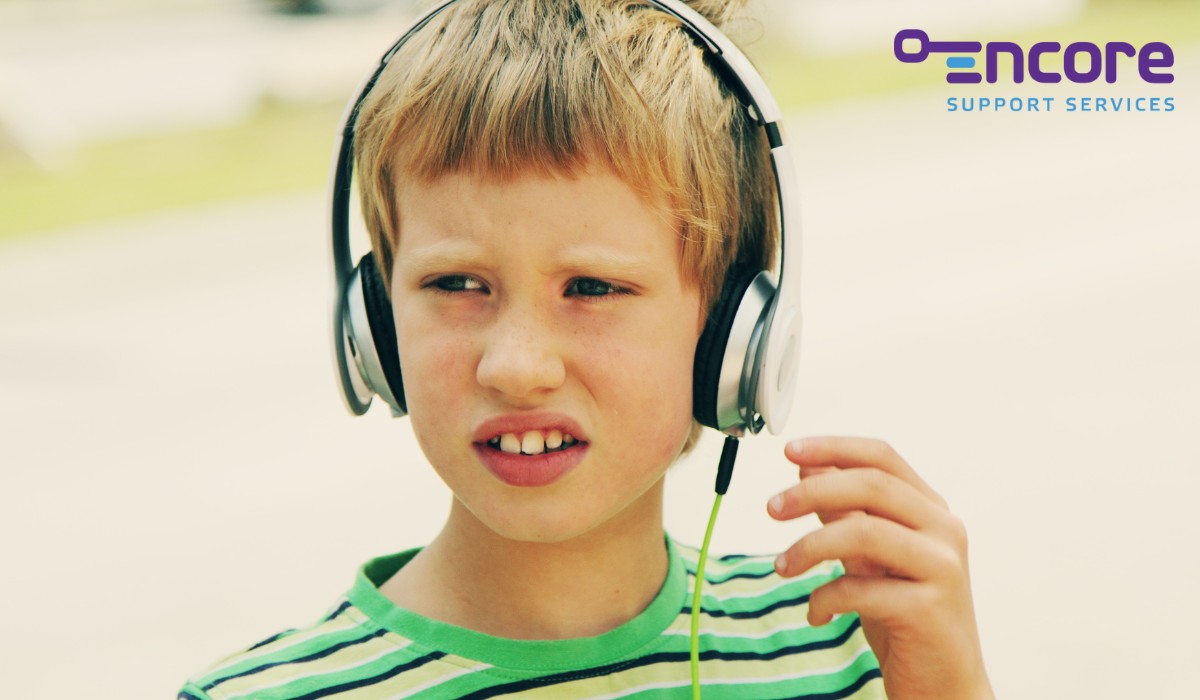 Wrapping Up: Headphones as a Complement to ABA Therapy
Noise-canceling headphones are a practical, evidence-informed tool for reducing auditory stress in children with autism. When paired with ABA therapy, they do more than just block sound—they create an environment where children can engage, focus, and participate confidently. ABA therapists can guide parents in integrating headphone use with daily routines, social skills training, and sensory coping strategies.
If you’re looking for a structured, supportive environment to help your child thrive,
Encore ABA offers personalized ABA therapy programs. By combining hands-on behavioral strategies with practical tools like noise-canceling headphones, children can build independence, focus, and emotional regulation. Our team works closely with families to create customized plans that address sensory needs and behavioral goals.
Contact us today to learn more about how
ABA therapy in New Jersey and ABA therapy in New York can support your child’s development.
Why Sensory Overload Happens in Autism and What to Do
Key Points:
- Sensory overload in autism occurs because the brain processes sensory input differently, making everyday sounds, sights, and textures feel overwhelming.
- Identifying triggers and understanding a child’s unique sensory profile can help parents implement effective coping strategies.
- Structured support, routines, and therapies like ABA can help children manage overwhelming sensations and build confidence in daily life.
Living in a world full of sights, sounds, and textures is challenging for many children, but for those with autism, these everyday experiences can quickly become overwhelming. Sensory overload isn’t just “being sensitive”—it’s a neurological response to an environment that feels too intense or unpredictable. Understanding why it happens and how to help your child navigate these moments is crucial for their comfort, learning, and emotional well-being.
Applied Behavior Analysis (ABA) therapy can play a significant role here. By breaking down experiences and teaching coping strategies step by step, ABA helps children manage sensory challenges in ways that feel safe and natural.
What Sensory Overload Looks Like in Autism
Sensory overload manifests differently depending on the child and their sensory profile. Recognizing these signs is the first step in helping your child cope. Common indicators include:
- Avoidance or withdrawal: Your child may cover their ears, squint, or retreat from noisy or visually busy environments.
- Meltdowns or tantrums: When sensations become too intense, children might cry, scream, or display behaviors that signal distress.
- Hyperfocus or “shutdowns”: Some children may freeze, stop talking, or become unusually still as a way to cope.
- Repetitive movements or stimming: Rocking, hand-flapping, or pacing can help self-regulate overwhelming input.
These behaviors are not signs of misbehavior—they are communication. Your child is telling you that the world feels too intense, and the best support comes from understanding and structured intervention.
[embed]https://www.youtube.com/watch?v=5OMIkp70c0E&pp=ygUXYXV0aXNtIFNlbnNvcnkgT3ZlcmxvYWTSBwkJCwoBhyohjO8%3D[/embed]
Why Sensory Overload Happens in Autism
Sensory processing differences in autism are rooted in the brain’s way of filtering and interpreting stimuli. While most children can tune out background noise or ignore minor visual distractions, children on the autism spectrum often experience heightened or inconsistent responses to the same inputs.
Common causes of sensory overload:
- Neurological differences: Children with autism may have overactive or underactive neural pathways in sensory regions of the brain. This means sounds, textures, or lights that seem normal to others can feel intense or even painful.
- Difficulty filtering stimuli: Many children with autism struggle to prioritize which sensory information to focus on. In a crowded room, this can lead to being simultaneously aware of dozens of sensations—each demanding attention.
- Heightened sensitivity (hyper-responsiveness): Everyday experiences, like fluorescent lighting, the hum of a refrigerator, or scratchy clothing, can trigger stress because the nervous system reacts strongly to these inputs.
- Low threshold for discomfort: Some children have less tolerance before a sensory experience becomes overwhelming. Small irritations can escalate quickly into full-blown meltdowns or shutdowns.
- Comorbid conditions: Anxiety, ADHD, or gastrointestinal issues can amplify sensory sensitivities, making overload more frequent or intense.
Understanding these factors helps parents and caregivers approach interventions with empathy, patience, and strategy rather than frustration.
Identifying Your Child’s Sensory Triggers
Before implementing coping strategies, it’s important to identify the specific triggers that cause distress. Children may be sensitive in one area but tolerate others well.
Steps to identify triggers:
- Observe and document reactions: Keep a sensory diary for at least two weeks. Note the environment, type of stimulus, duration, and your child’s response. Over time, patterns will emerge.
- Ask for their perspective: If your child can communicate verbally or nonverbally, ask which sensations feel uncomfortable. Even pointing, gesturing, or using picture cards can help them express discomfort.
- Notice early warning signs: Pay attention to subtle cues—like fidgeting, pacing, or avoiding eye contact—which often precede full meltdowns. Recognizing these early allows for timely intervention.
- Collaborate with professionals: Occupational therapists or BCBAs can provide structured sensory assessments, helping pinpoint sensitivities and recommend strategies tailored to your child’s profile.
Documenting triggers ensures that interventions are targeted and practical rather than trial-and-error, which reduces stress for both the child and the family.
 Practical Strategies to Reduce Sensory Overload at Home
Once triggers are identified, parents can implement daily strategies to help children navigate overwhelming experiences. These approaches can be integrated into routines without creating additional stress.
1. Create a calm environment
Use soft lighting, white noise machines, or noise-canceling headphones to reduce auditory and visual stimulation. Minimizing clutter in play areas or bedrooms can also help.
2. Use sensory tools
Weighted blankets, fidget toys, and chewable items can provide comfort. Many children benefit from sensory diets—planned activities that allow them to expend energy and regulate their nervous system.
3. Establish predictable routines
Predictability reduces unexpected sensory input, which can otherwise trigger anxiety. Use visual schedules, timers, or verbal cues to help children anticipate changes.
4. Gradual exposure
Slowly introduce mildly challenging stimuli in controlled ways, rewarding your child for tolerating new sensations. This approach builds resilience without overwhelming them.
5. Model and teach coping strategies
Demonstrate deep breathing, gentle stretching, or quiet corner breaks. Encourage your child to use these strategies independently when they sense overload coming.
6. Allow breaks
Recognize that breaks aren’t punishment—they’re essential. Quiet, low-stimulation spaces can prevent meltdowns and help children recover faster.
These steps are most effective when combined consistently and adapted to your child’s individual sensory profile.
 How ABA Therapy Helps with Sensory Overload
Applied Behavior Analysis (ABA) therapy provides a structured approach to helping children with autism cope with sensory challenges. It doesn’t just teach behaviors—it teaches understanding and self-regulation.
Key ABA strategies for sensory management:
- Desensitization through gradual exposure: Therapists introduce challenging stimuli in small, manageable steps while reinforcing calm responses. Over time, children learn to tolerate previously overwhelming sensations.
- Functional communication training: ABA teaches children to request breaks, ask for help, or indicate discomfort instead of reacting through meltdowns. This empowers them to express needs effectively.
- Positive reinforcement: Calm coping, following routines, or using sensory tools is reinforced through praise, tokens, or preferred activities, making regulation rewarding.
- Personalized sensory interventions: ABA programs often incorporate a child’s interests and strengths, tailoring strategies to their unique sensory profile. This ensures the support is both practical and motivating.
By integrating these techniques, ABA therapy doesn’t just reduce overload in the moment—it builds lifelong coping skills that carry into school, social settings, and home environments.
When to Seek Professional Support
While parents can implement strategies at home, professional guidance is often necessary when:
- Overload episodes are frequent or intense.
- Your child engages in self-injurious behaviors during meltdowns.
- Daily routines are significantly disrupted.
- You notice regression in communication, social skills, or emotional regulation.
Professionals like BCBAs and occupational therapists can assess sensory needs, create individualized plans, and teach families how to reinforce skills consistently. Early intervention makes a significant difference in how children navigate sensory challenges.
 Supporting Your Child Through Sensory Overload
Sensory overload in autism can feel overwhelming, but understanding why it happens—and learning how to respond—gives parents and caregivers practical tools to help children thrive. By identifying triggers, using structured strategies at home, and incorporating therapies like ABA, children can develop the skills to regulate their responses, communicate their needs, and engage more comfortably with the world around them.
Encore ABA offers ABA therapy programs that address sensory challenges in a nurturing, individualized way. Families seeking
ABA therapy in New Jersey or in New York can benefit from programs designed to strengthen coping skills, reduce overwhelm, and enhance everyday functioning. With the right support, children can explore their environment with greater confidence, and families can feel empowered to guide them along the way.
If you’re ready to help your child navigate sensory challenges and grow with confidence,
contact us to learn more about our personalized ABA therapy programs.
SPD and Autism Explained: Tips to Support Your Child
Key Points:
- Sensory Processing Disorder (SPD) can significantly affect how children with autism perceive and respond to the world, influencing behavior, learning, and daily routines.
- Parents can support children through structured strategies, sensory accommodations, and consistent routines that reduce overwhelm and build confidence.
- ABA therapy can be a valuable tool in helping children navigate sensory challenges and develop meaningful skills in daily life.
Children with autism often experience the world differently, and sensory processing is a key part of that experience. Sensory Processing Disorder (SPD) affects how children perceive, interpret, and respond to stimuli from their environment, from sounds and textures to sights and movement. For parents, understanding SPD is essential—not just to reduce frustration or meltdowns, but to help children thrive in daily life.
Navigating sensory challenges can feel overwhelming, but with informed strategies and supportive interventions, parents can create an environment where their child feels safe, understood, and empowered. Applied Behavior Analysis (ABA) therapy often addresses these challenges directly, helping children gain control over their responses and engage more confidently with their surroundings.
Understanding Sensory Processing Disorder in Children with Autism
Sensory processing disorder occurs when the brain struggles to receive and respond appropriately to sensory input. In children with autism, SPD often appears as heightened sensitivities or, conversely, an under-responsiveness to stimuli. This can impact learning, communication, and behavior.
Some common sensory processing differences include:
- Auditory sensitivities: Loud or unexpected sounds may cause distress or withdrawal. Everyday noises like vacuums, alarms, or crowded classrooms can feel overwhelming.
- Tactile sensitivities: Certain textures—like scratchy clothing, sticky substances, or even messy foods—may trigger discomfort or refusal.
- Visual sensitivities: Bright lights, cluttered spaces, or rapid movements can provoke agitation or distractibility.
- Vestibular challenges: Children may have difficulty with balance, movement, or coordination. They might avoid playground activities or appear unusually clumsy.
- Proprioceptive difficulties: Understanding body position and movement can be a challenge, affecting posture, coordination, and even handwriting.
Recognizing these differences is the first step. When parents understand the triggers and reactions linked to SPD, they can implement strategies that reduce stress and support skill-building.
[embed]https://www.youtube.com/watch?v=upU-dc19Taw&pp=ygUKYXV0aXNtIHNwZA%3D%3D[/embed]
How SPD Impacts Daily Life and Learning
Sensory challenges don’t exist in isolation—they affect how children engage with the world. Children may:
- Struggle to concentrate in school, especially in noisy or visually stimulating environments.
- Exhibit anxiety or avoid certain activities, foods, or social interactions.
- Display behaviors like rocking, hand-flapping, or spinning as a way to self-regulate.
- Become easily frustrated or fatigued when faced with overwhelming sensory input.
ABA therapy programs often focus on helping children navigate these challenges by teaching coping skills, gradually exposing children to tolerable levels of stimuli, and reinforcing positive engagement. Early support in this area can prevent sensory difficulties from limiting learning and social growth.
 Practical Tips for Parents to Support Sensory Processing at Home
Parents play a critical role in helping children with autism manage sensory experiences. Small, consistent adjustments can make a significant difference. Here’s how you can help:
1. Create a Predictable Environment
Children with SPD often feel more comfortable when they know what to expect.
- Use visual schedules: Picture cards or charts outlining daily routines can reduce anxiety.
- Organize spaces by activity: Keep play areas, study spaces, and rest zones distinct and orderly.
- Minimize clutter and distractions: Reduce unnecessary visual or auditory stimuli whenever possible.
2. Incorporate Sensory Breaks
Frequent, structured breaks help children self-regulate and maintain focus.
- Movement breaks: Activities like jumping on a trampoline, swinging, or marching in place can release excess energy.
- Calming corners: Create a small space with weighted blankets, soft lighting, or soothing textures for downtime.
- Mindful breathing: Simple breathing exercises or guided relaxation can help children reset after sensory overload.
3. Gradually Introduce Challenging Stimuli
Exposure therapy, when done carefully, can help children tolerate previously overwhelming sensory input.
- Start with brief, low-intensity experiences.
- Pair new stimuli with preferred activities or rewards.
- Increase exposure incrementally while monitoring for distress.
4. Adapt Daily Routines
Small changes in routine can minimize stress and maximize participation.
- Mealtimes: Offer familiar textures alongside new foods, introducing one change at a time.
- Dressing: Use soft, tagless clothing and allow children to choose outfits when possible.
- Hygiene: Offer sensory-friendly bath tools or adjust water temperature and lighting to comfort levels.
5. Communicate and Validate
Children with SPD may struggle to express discomfort verbally.
- Pay attention to body language and facial expressions.
- Label emotions: “I see that sound is making you upset.”
- Encourage self-expression through drawing, pointing, or AAC tools.
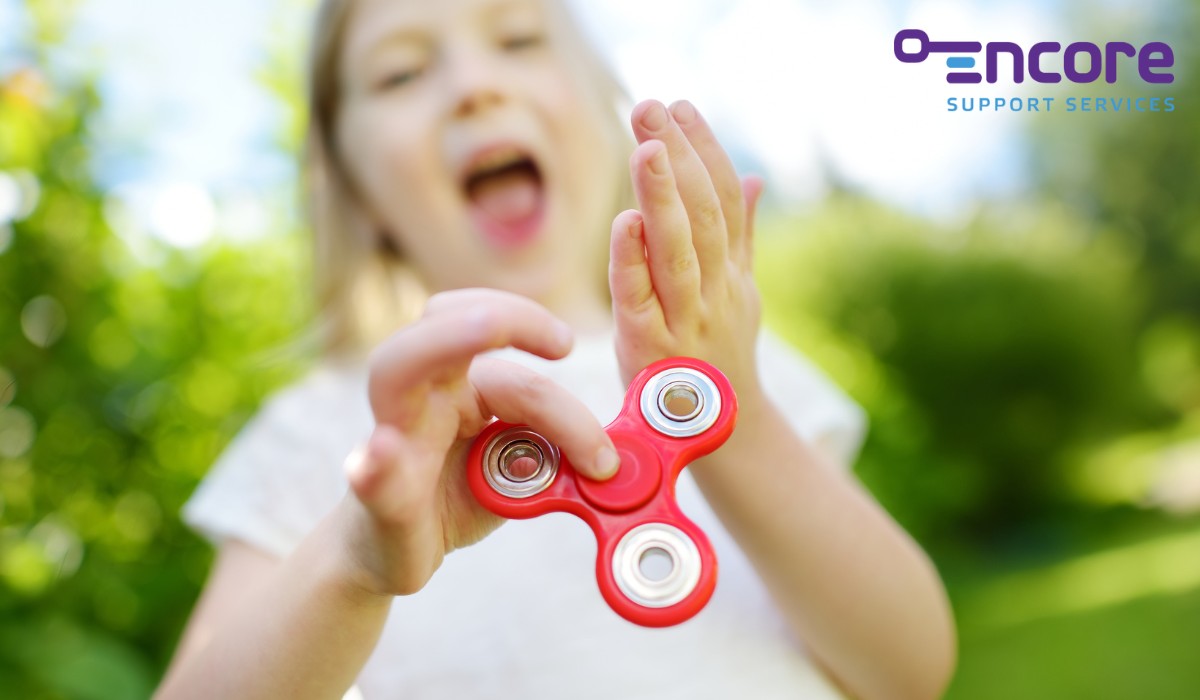 Sensory Tools and Supports That Make a Difference
Many children benefit from using specific sensory supports to help regulate their nervous system and feel safe:
- Noise-canceling headphones: Reduce auditory overload in noisy environments.
- Fidget tools: Provide tactile stimulation and help with focus during tasks.
- Weighted blankets or vests: Apply gentle pressure to calm the nervous system.
- Therapy balls or balance boards: Support vestibular and proprioceptive needs while promoting motor development.
- Visual timers or cue cards: Help children anticipate transitions and manage expectations.
Integrating these tools into daily life can reduce meltdowns, increase engagement, and create opportunities for learning and social interaction.
Collaborating With Professionals for Lasting Progress
While parents’ support at home is crucial, professional intervention helps ensure children make measurable progress. Here are some strategies professionals often recommend:
Occupational Therapy (OT)
OT focuses on improving sensory integration, motor planning, and daily living skills. Therapists might provide structured exercises to improve coordination, balance, and tolerance to sensory stimuli.
Applied Behavior Analysis (ABA) Therapy
ABA therapy addresses both behavior and skill development. Through positive reinforcement, children learn to:
- Respond to sensory triggers appropriately.
- Build coping strategies for distressing stimuli.
- Engage socially despite sensory sensitivities.
Collaborative Strategies
Therapists often work closely with parents to create consistent routines, implement sensory supports, and track progress. This collaboration ensures children receive a cohesive and effective support system across home, school, and therapy settings.
 Strategies for Schools and Social Settings
Navigating sensory challenges outside the home requires thoughtful planning and communication. Parents and educators can:
- Advocate for accommodations like quiet spaces, extended breaks, or adjusted seating arrangements.
- Provide teachers with sensory profiles that highlight triggers and calming strategies.
- Encourage peer understanding through social stories or small-group discussions.
- Use visual schedules and predictable routines in classrooms to reduce anxiety.
By proactively addressing sensory needs, children with SPD and autism are more likely to participate meaningfully in school and social activities.
Signs to Watch For and When to Seek Help
Early recognition of SPD can prevent long-term challenges and improve outcomes. Consider consulting a professional if your child:
- Has extreme reactions to everyday sounds, textures, or movements.
- Avoids age-appropriate activities or foods due to sensory concerns.
- Shows difficulty with attention, learning, or social engagement.
- Exhibits frequent meltdowns or frustration tied to sensory input.
Early intervention through ABA therapy, OT, or other professional support can significantly enhance a child’s ability to navigate daily life.
 How ABA Therapy Helps Children Manage Sensory Issues
Supporting a child with SPD and autism requires patience, observation, and proactive strategies. Small, consistent adjustments—combined with professional support—can dramatically improve your child’s comfort, engagement, and independence. Tools like sensory breaks, visual schedules, and adaptive equipment provide immediate relief, while ABA therapy helps children learn coping strategies, communicate effectively, and thrive in both home and community settings.
At
Encore ABA, we specialize in ABA therapy programs tailored to each child’s sensory and developmental needs. By providing in-home services, children can practice skills in the environments where they live and play, fostering meaningful, lasting progress. Families seeking
ABA therapy in New York or ABA therapy in New Jersey can access personalized programs that help children manage sensory challenges, build independence, and grow their confidence every day. If your child experiences sensory processing difficulties,
reaching out for guidance can be the first step toward smoother, more successful daily experiences.
