Parents often ask how they can support social development at home. Therapy sessions may only take place a few times a week, but children need daily practice to strengthen skills like sharing, conversation, and empathy. The home environment is a natural classroom where social learning can happen through play, chores, and family routines.
This guide explores practical social skills activities you can try at home, offering clear examples, strategies, and tips so you can confidently support your child’s growth.
Why Social Skills Practice at Home Matters
Children on the spectrum or with social challenges often struggle to generalize what they learn in structured settings. A skill practiced in therapy may not automatically carry over into daily life. Parents can bridge this gap by reinforcing lessons through everyday interactions.
Research shows that when children’s social communication skills practiced at home generalize to school and vice versa, they demonstrate stronger peer interactions and better social engagement in different environments.
A recent longitudinal trial found that improvements at home carried over into school and unfamiliar settings over time, highlighting the value of consistent practice across contexts
Social Skills Activities in Daily Routines
Mealtime Conversations
Family meals are a powerful way to practice communication. Encourage your child to:
- ⬩ Ask politely for items.
- ⬩ Answer simple questions about their day.
- ⬩ Compliment family members or share gratitude.
This setting offers a safe, predictable opportunity to build back-and-forth conversation skills.
Morning and Bedtime Rituals
Use morning greetings and bedtime goodnights to practice polite exchanges. Adding simple scripts like “Good morning, did you sleep well?” helps establish habits for daily interaction. For children with autism, an autism morning routine visual chart can reinforce these steps consistently.
Household Chores as Social Practice
Chores like cooking, cleaning, or organizing toys can be done together. These tasks teach cooperation, patience, and communication. For example, while setting the table, children can practice offering items or waiting for directions.
 Games for Social Skills Development
Games are highly effective because they blend fun with learning.
- ⬩ Board Games: Classics like Sorry! or Candy Land reinforce turn-taking.
- ⬩ Simon Says: Improves listening and following directions.
- ⬩ Charades or Pictionary: Builds nonverbal communication and helps children interpret gestures.
- ⬩ Role-Playing Scenarios: Act out situations like introducing yourself to a new friend or ordering food at a restaurant.
Structured play activities, such as role-playing, social stories, and cooperative games, have been shown to enhance emotion recognition and improve cooperative behavior in children with autism.
Activities to Teach Social Skills in Real-Life Situations
Practicing Greetings
Set up simple greeting practice with family members. Have your child say “hello” with eye contact, then gradually introduce greetings with neighbors or peers.
Sharing and Turn-Taking
Use toys, art supplies, or snacks to practice waiting and sharing. Praise each successful turn to reinforce the behavior.
Teaching Conversations
Start with short prompts: “What’s your favorite toy?” or “Do you want to play outside?” Over time, build up to multi-step conversations.
Solving Conflicts Together
When disputes arise, like wanting the same toy, guide children to brainstorm solutions. Ask, “What can we do so everyone is happy?” This teaches compromise and empathy.
[embed]https://www.youtube.com/watch?v=6BMc4j5x1js[/embed]
Autism Social Skills Activities with Visual Supports
Visual aids help children understand expectations. Examples include:
- ⬩ A picture card showing a child raising their hand
- ⬩ Icons for “wait,” “share,” or “listen.
- ⬩ A daily chart listing steps in social interactions
In ABA in home therapy, therapists often use an autistic child visual schedule to teach skills. Parents can extend this by displaying cards around the house to remind children of social rules.
Fun ABA Activities to Reinforce Skills
ABA therapists often design activities that can be continued at home. Parents can try:
- ⬩ Building Together: Use Legos or blocks, requiring children to ask for pieces and cooperate on the design.
- ⬩ Cooking Projects: Baking cookies or making sandwiches teaches sequencing, cooperation, and sharing tasks.
- ⬩ Storytelling Chains: Each family member adds one line to a story, promoting creativity and listening.
These fun ABA activities combine structure with play, making practice enjoyable rather than forced.
How to Teach Kids Social Skills Step by Step
Breaking down skills into manageable parts makes them easier to learn:
- ⬩ Model the Skill: Demonstrate what it looks like (e.g., waving hello).
- ⬩ Practice Together: Role-play in a safe, low-pressure environment.
- ⬩ Reinforce Success: Praise attempts, not just perfect outcomes.
- ⬩ Generalize: Practice the same skill in new contexts, like at school or during playdates.
Teaching kids social skills works best when skills are revisited regularly and adapted as children grow.
 Why Parent Involvement Matters
Parents are more than observers. They are active partners in teaching. A meta-analysis found that when parents led social skill-building activities, children showed meaningful improvements in communication, peer interactions, and behavior.
This shows that daily reinforcement by parents is just as critical as formal therapy sessions. The more consistent the practice, the stronger the results.
Frequently Asked Questions
What are social activities for people with autism?
Social activities for people with autism work best when tailored to interests and sensory needs. Options include tabletop role-playing games for connection, inclusive sports for teamwork, sensory-friendly museum and library programs for relaxed participation, and LEGO® clubs for structured play. Predictability and choice increase success.
What is the best social skills training?
The best social skills training depends on age and needs. Evidence supports PEERS® for teens, which boosts friendships in trials. For younger children, NDBIs build social communication through play. Peer-mediated programs teach classmates to support interaction. Effective training matches goals and learning style and tracks real-life progress.
How to teach autistic children social skills?
Teach autistic children social skills by embedding modeling, prompting, and reinforcement into daily play and routines. Use peer-mediated practice, visual supports, and AAC when needed. Combine AAC with NDBIs to boost language. Generalize skills across home, school, and community while tracking progress and respecting autonomy.
Strengthen Social Skills with Professional Support
While home practice is powerful, professional support ensures skills are taught systematically and progress is tracked. Engaging in autism therapy services in New York and New Jersey gives families access to structured ABA guidance and practical coaching.
Every child deserves the chance to build strong social skills that foster friendships and independence. At Encore ABA, therapy programs are designed to blend clinical strategies with real-life practice, giving parents the tools to continue learning at home.
If you’re ready to combine practical home practice with professional support, call us. Together, we can give your child the tools to connect, communicate, and thrive. Parents play a central role in the success of their child’s ABA therapy. Yet many feel unsure about how to talk with their therapist or what to ask during sessions. Communication gaps can create frustration, slow progress, and leave families feeling disconnected from the therapy process.
The good news is that with practical strategies and a focus on open dialogue, parents can build effective partnerships with ABA therapists. Let’s explore how ABA communication therapy can strengthen collaboration and improve outcomes for children.
Why Effective Communication Matters in ABA Therapy
Communication is the foundation of a successful ABA therapy session for autism. When parents and therapists share observations, they ensure that therapy goals reflect the child’s needs both at home and in clinical settings.
Recent studies show that when families are actively engaged in therapy planning, children demonstrate faster skill development and more consistent generalization of skills across environments. This means strategies practiced in sessions are more likely to stick when reinforced at home.
Ask Questions About Goals and Progress
One of the first steps to effective communication is asking about therapy goals. Parents should know:
- ⬩ What behaviors or skills are being targeted?
- ⬩ How progress is measured
- ⬩ How pairing goals in ABA connects with long-term independence
For example, if your therapist introduces pairing goals in ABA to strengthen rapport with your child, ask how you can support this process during play at home. Even a few minutes of practice outside of sessions can make progress more consistent.
Parents should also feel comfortable asking for data. ABA therapy relies on measurable progress, so therapists often track how often a child completes a skill, responds to prompts, or engages in social interaction. Reviewing this data together keeps everyone on the same page.
 Share What You See at Home
Children often behave differently in therapy than they do at home. Parents should share details about:
- ⬩ Challenges during routines like bedtime or mealtimes
- ⬩ Triggers that lead to meltdowns or avoidance
- ⬩ Positive behaviors that emerge outside of sessions
ABA communication therapy works best when therapists have the full picture. Families see their child in situations therapists may never witness: on the playground, at the store, or during family gatherings. Sharing these details makes therapy more relevant.
Learn About Shared Control in ABA
Another area to discuss with your therapist is shared control ABA. This principle encourages children to have choices within therapy, balancing adult guidance with child autonomy.
For instance, a therapist may offer two activity options to maintain structure while honoring preferences. Parents who understand shared control can replicate the approach at home, helping children feel respected while still reinforcing boundaries.
Address Multiple Relationships in ABA
Effective communication also involves clarifying professional boundaries. The concept of multiple relationships ABA highlights the importance of keeping roles clear. Therapists are professionals, not babysitters or family friends.
Parents should ask how communication will be structured, whether through notes, emails, or regular check-ins. This prevents confusion and ensures therapy stays focused on goals.
Use Tools and ABA Resources for Parents
Practical tools make communication easier. Parents may find value in:
- ⬩ Written summaries or session notes from therapists
- ⬩ A communication notebook sent between home and therapy sessions
- ⬩ Apps that track progress on specific goals
- ⬩ Online ABA resources for parents to learn strategies and reinforce skills
Research confirms that when parents receive structured training and resources, they report significantly lower stress and more confidence in supporting their child’s learning.
Access to resources also empowers families to continue therapy techniques outside of sessions, especially when children face challenges during routines like grocery shopping or community outings.
[embed]https://www.youtube.com/watch?v=QkqxPsvVxNI[/embed]
Be Present During ABA Therapy Sessions
Parents who participate, at least part of the time, gain firsthand understanding of how strategies work. Even observing once a week can provide insight into prompts, reinforcements, and how challenges are addressed.
ABA therapy at home for parents also extends learning beyond clinic hours. With therapist guidance, parents can implement techniques during daily routines like homework, play, or bedtime. This consistency accelerates progress and helps children generalize new skills.
A meta-analysis found that when parents were directly involved in therapy, children showed noticeable improvements in communication, social skills, and behavior, highlighting how parent participation makes a meaningful difference in progress.
Build Collaboration With Your Therapist
Good communication is not one-sided. Effective ABA communication therapy relies on mutual respect and shared problem-solving. Parents should:
- ⬩ Be open about concerns or disagreements.
- ⬩ Ask therapists to explain unfamiliar terms.
- ⬩ Request adjustments when strategies are impractical at home.
This is the essence of collaborating for kids, a partnership where families and professionals work together. Collaborative ABA services encourage feedback from both sides, ensuring therapy feels supportive rather than prescriptive.
Collaboration also improves long-term outcomes. A child’s goals may evolve over time, and open communication makes it easier to adjust therapy plans without losing momentum.
Practical Tips for Everyday Communication
To strengthen communication:
- ⬩ Schedule regular check-ins, even brief ones.
- ⬩ Write down questions between sessions to avoid forgetting them.
- ⬩ Use clear, simple language when sharing concerns.
- ⬩ Recognize therapist efforts and share positive feedback.
Parents may also benefit from role-playing conversations with their therapist or preparing notes ahead of time. These habits create open channels that improve consistency and trust.
 Frequently Asked Questions
What is ABA therapy for communication skills?
ABA therapy for communication skills teaches children to use language and social interaction through step-by-step reinforcement. Functional Communication Training replaces problem behaviors with requests or help-seeking, while naturalistic methods like PRT build spontaneous speech. Skills are practiced across home, school, and therapy for generalization.
What is the main purpose of ABA therapy?
The main purpose of ABA therapy is to build socially meaningful skills and reduce behaviors that disrupt learning or daily life. ABA targets communication, social interaction, self-care, safety, academics, and community use. Therapists teach stepwise with reinforcement, track data, and generalize gains across settings.
What is the communication method for autism?
The communication method for autism is individualized and often multimodal. Supports may include speech, gestures, signs, picture exchange, visual boards, or speech-generating devices. Augmentative and Alternative Communication (AAC) supplements or replaces speech as needed, guided by speech-language assessments and combined with therapy and visual supports.
Support Effective ABA Communication With Professional Guidance
Parents often want to communicate better but feel unsure where to start. Engaging in ABA therapy services in New Jersey and New York provides families with structured opportunities to learn, ask questions, and receive coaching on communication strategies.
Every parent deserves to feel like an active partner in their child’s therapy. At Encore ABA, programs are designed to include parent training in ABA and encourage open dialogue between families and therapists.
If you’re ready to strengthen your child’s progress by improving communication with their ABA therapist, get in touch with us. Clearer collaboration can reduce stress, build confidence, and create lasting change for your family. Morning battles, skipped steps, and sudden meltdowns can make even the simplest tasks feel impossible for families. Many parents of autistic children know how unpredictable daily routines can become when transitions trigger stress or overwhelm.
Building consistency through structured daily activities for autistic child care provides a framework that reduces anxiety and makes each part of the day more manageable. Up next, you’ll see how routines can be shaped to fit real life, why structure helps children thrive, and what strategies give families more peace in their everyday schedules.
Why Daily Routines Support Children with Autism
Predictability can reduce anxiety for children on the spectrum. A recent study found that routines designed to strengthen adaptive skills are linked to fewer externalizing behaviors, making daily transitions smoother and less stressful for families.
For parents, daily schedules also reduce stress by setting clear expectations. When routines are predictable, children know what comes next, which can minimize resistance and meltdowns.
Daily activities for autistic child care may include structured times for meals, play, learning, and rest. The goal is not to eliminate flexibility but to build a framework where transitions feel manageable.
[embed]https://www.youtube.com/watch?v=Z6EIzckM3os[/embed]
How to Build a Successful Autism Daily Schedule
Creating a schedule starts with identifying the most important parts of the day. These anchor points, such as waking up, meals, school time, and bedtime, should remain consistent. An autism daily schedule often includes:
- ⬩ Morning routine autism steps like brushing teeth, getting dressed, and eating breakfast
- ⬩ School activities, which may be supported with individual schedules for students with autism
- ⬩ Afternoon breaks, exercise, and sensory play to manage energy
- ⬩ Evening routines that wind down with quiet activities.
Parents should also build in transition times, giving children space to move from one activity to the next without sudden changes.
Autism Routines Examples for Home and School
Morning Routines
A consistent autism morning routine helps set the tone for the day. For example:
- Wake up at the same time.
- Use an autistic child visual schedule with icons for brushing teeth, getting dressed, and eating breakfast.
- End with a calming moment, such as listening to music before heading to school.
School Schedules
Teachers often use individual schedules for students with autism. This may include picture symbols or written checklists that guide them through tasks.
A peer-reviewed study using visual support systems, such as multi-step visual supports combined with systematic teaching, found marked increases in independent task completion among students with moderate to severe disabilities in general education settings, even when prior prompting was required
Evening Routines
At home, evening routines may include homework, dinner, free play, bath time, and bedtime stories. A daily schedule for autistic child care should keep bedtime consistent to improve sleep quality.
 Using Visual Supports and Tools
Many children benefit from a schedule board for autism, which provides a visual overview of the day. Visual supports can include:
- ⬩ Picture cards for each activity
- ⬩ Magnetic boards where tasks are moved once completed.
- ⬩ Apps designed for autistic child visual schedules.
A 2021 study found out that participation in five common family routines, such as family dinners, reading, storytelling, and play, was linked to more than double the odds of preschool children having high social-emotional health compared to those with fewer routines.
Visual schedules help children anticipate what is next, giving them control over their time. They also make it easier for parents to communicate changes without lengthy explanations.
Flexibility Within Structure
While routine is important, absolute rigidity can create new problems. Parents should introduce flexibility by scheduling “choice times.” For example, after school, a child may choose between playing outside, drawing, or reading.
Research highlights that when autistic children have structured choice opportunities, their engagement improves, and problem behaviors decrease. Flexibility built into routines helps children learn how to handle change in small, manageable ways.
Daily Activities for Autistic Child Engagement
Parents often ask what daily activities for autistic child development should include. Options vary based on age and interests, but examples include:
- ⬩ Sensory activities like water play, kinetic sand, or weighted blankets
- ⬩ Structured play, such as board games that practice turn-taking
- ⬩ Independent life skills, like helping prepare simple snacks or organizing school supplies
- ⬩ Social activities, such as role-playing greetings or practicing conversations
The balance should mix structured learning with enjoyable activities that reduce stress.
Strategies for Parents to Maintain Consistency
Maintaining routines requires planning and collaboration. Parents can:
- ⬩ Communicate schedules in advance, especially if changes are coming
- ⬩ Use reminders like alarms or timers to mark transitions
- ⬩ Reinforce routines with positive feedback when children follow steps
- ⬩ Share routines with teachers and therapists to ensure consistency across environments
When parents, schools, and therapists align routines, children gain a stronger sense of stability and success.
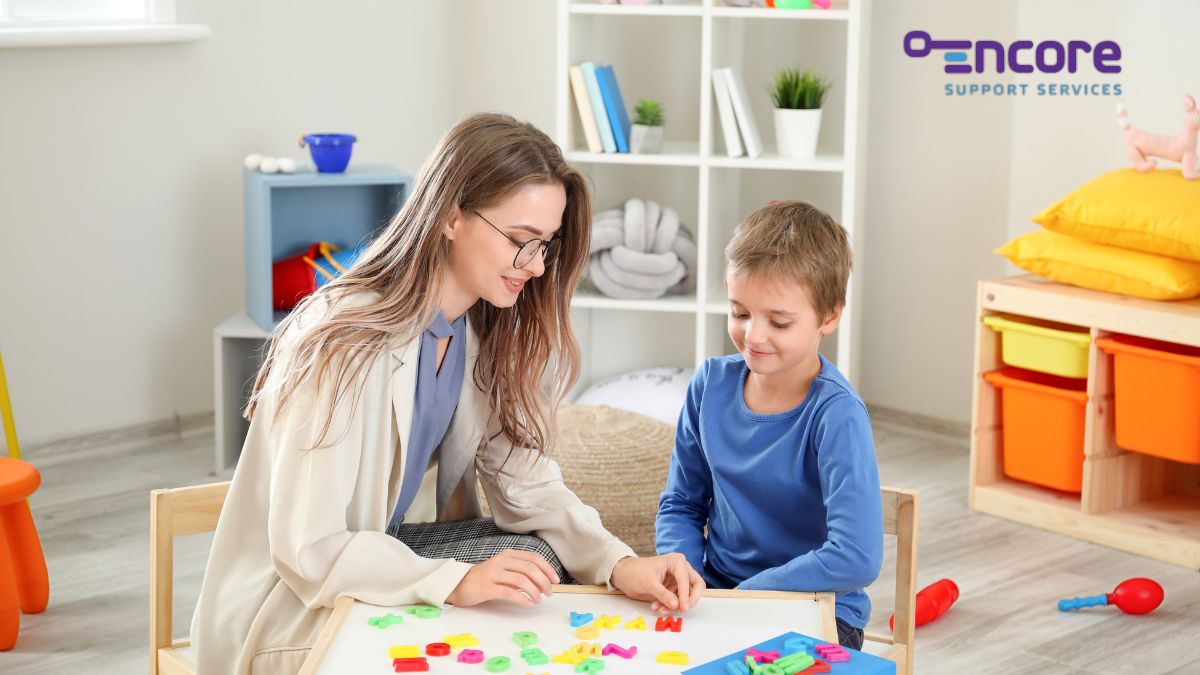 Create Supportive Routines That Grow With Your Child
Children’s needs change as they grow. What works at age 5 may not suit a 12-year-old. Parents should regularly adjust routines, introducing new skills while removing supports that are no longer needed.
For example, a young child may rely on an autistic child visual schedule with pictures, but as they grow, written checklists may be more appropriate. Supporting independence means gradually shifting responsibility to the child while still keeping structure in place.
Parent-focused training programs have also been shown to significantly reduce caregiver stress and improve their ability to manage challenging behaviors in children with autism. These results show that families benefit most when professional support complements home-based routines.
Frequently Asked Questions
Can a child with mild autism have a normal life?
Yes. A child with mild autism can have a normal and independent life with early intervention and tailored supports. Many reach milestones in school, work, and relationships when therapies, accommodations, and coaching address their needs. Outcomes vary, but independence and community participation are common.
How to help children with autism?
Help children with autism by providing early, structured supports at home and school. Use ABA, speech, and occupational therapy, along with parent training. Schools apply IEPs, routines, and visual supports. Pediatric care screens for co-occurring conditions. Community groups and respite care strengthen social and family well-being.
What is an example of an autistic routine?
An example of an autistic routine is a structured morning with a visual schedule: wake up, toilet, dress, breakfast, backpack check, shoes, and commute. Supports include first–then cards, short breaks, and timers. After school, routines use checklists for homework, play, dinner, bath, story, and lights-out.
Strengthen Your Child’s Routines with Professional Support
Routines are powerful tools, but creating and maintaining them can feel overwhelming without guidance. Engaging in ABA therapy services in New York and New Jersey gives families structured strategies that make routines work across home and school.
Every child deserves daily activities that build confidence and reduce stress. At Encore ABA, therapy programs focus on teaching life skills, supporting transitions, and helping parents design practical routines. Families often share that structured guidance makes mornings smoother, schoolwork less stressful, and evenings calmer.
If you want to create sustainable routines that truly support your child, reach out today. Professional guidance can turn daily challenges into opportunities for growth. Starting child ABA therapy is a big step for many families. The first session often brings excitement but also worry. Parents may feel unsure about what to say, how to prepare, or what to expect. Children may sense this stress and react with resistance.
Getting ready for the first ABA session doesn’t have to feel overwhelming. A few simple steps at home can help your child feel safe, comfortable, and more willing to engage. The goal is to set a foundation that makes therapy feel like a natural part of everyday life.
1. Talk to Your Child in Simple Language
Children often feel anxious about new situations they don’t understand. Introducing ABA therapy in clear and age-appropriate words helps remove fear.
- • Say things like, “You’ll play games and learn new skills with a helper.”
- • Avoid long explanations that may confuse them.
- • Keep a calm and positive tone.
When a child knows what to expect, their first meeting with an ABA therapist feels less intimidating.
2. Create a Consistent Routine Beforehand
Routine provides security. ABA therapy relies on structure, so preparing early makes the transition smoother.
- • Set fixed times for meals, play, and bedtime.
- • Gradually introduce a daily schedule so therapy won’t feel disruptive.
- • Practice following short instructions, like “First brush teeth, then story time.”
Parents who establish patterns at home prepare children for the predictable nature of ABA sessions.
[embed]https://www.youtube.com/watch?v=SWmEe5QPDo8[/embed]
3. Introduce the Therapist Early
Meeting a new adult can be stressful. If possible, let your child see photos of their ABA therapist or join a short video call before the first session.
- • Share the therapist’s name often.
- • Frame them as a “friend” who will play and help.
- • Role-play greetings like waving or saying “hello.”
Familiarity reduces first-day anxiety and encourages trust from the start.
4. Use Comfort Items During Sessions
Some children adjust better when they have something familiar nearby.
- • Bring a favorite toy, small blanket, or sensory item.
- • Let the therapist know about it so they can include it if helpful.
- • Encourage your child to use it for short breaks.
This ABA strategy builds a sense of safety without interrupting learning.
5. Practice Short ABA-Like Activities at Home
Parents can introduce simple ABA strategies before the first session:
- • Practice turn-taking with games.
- • Reinforce positive behavior with small rewards (stickers, extra playtime).
- • Break tasks into steps, praising effort after each one.
These mini-sessions prepare your child for the structure of child ABA therapy and show them that learning can be fun.
 6. Set Realistic Expectations for the First Day
The first ABA session often focuses on building rapport, not immediate results. Parents should:
- • Expect observation, play, and getting to know the therapist.
- • Avoid pushing for progress too quickly.
- • Remember that comfort and trust come before skill-building.
Children may resist at first, but patience helps the process unfold naturally.
7. Communicate with the Therapy Team
Parents play an important role by sharing details about their child:
- • Preferred activities and dislikes.
- • Sensory sensitivities (noise, textures, food).
- • Motivators that work well at home.
Open communication ensures the ABA therapist tailors sessions to your child’s needs. This collaboration builds consistency between therapy and home routines.
8. Prepare Yourself as a Parent
Parents often focus on their child’s readiness but forget their own. Your approach affects how your child reacts.
- • Stay calm and positive, even if your child resists.
- • Avoid showing stress in front of them.
- • Trust the process, even if progress seems slow.
Children sense parental emotions. When parents feel prepared, children adapt more smoothly.
9. Involve Siblings and Family Members
Siblings often notice changes in household routines. Preparing them helps reduce confusion or jealousy.
- • Explain that therapy is about helping their brother or sister learn.
- • Encourage siblings to cheer for small wins.
- • Remind them they also get special time with parents.
Family support makes the transition easier for everyone.
10. Keep the First Day Low-Stress
Plan the day of the first session carefully.
- • Ensure your child is well-rested and fed.
- • Avoid scheduling big events immediately before or after.
- • Allow time to relax afterward.
A calm schedule helps your child focus during the session and associate therapy with positive experiences.
11. Use Visual Supports
Children with autism often respond well to visuals. Preparing them with simple tools can reduce worry.
- • Show a picture schedule of “car ride → meet therapist → play time.”
- • Use social stories to explain what will happen.
- • Mark the therapy day on a calendar with a symbol.
Visual cues help children anticipate and accept new routines.
12. Reinforce the Experience Afterwards
After the first ABA session, talk about it positively.
- • Ask your child what they liked.
- • Celebrate small efforts with praise or a reward.
- • Avoid focusing on challenges.
Reinforcement makes your child more willing to return next time.
 13. Stay Consistent Between Sessions
ABA therapy works best when reinforced outside of sessions. Parents can support progress by:
- • Practicing skills at home in natural settings.
- • Using the same reward system as the therapist.
- • Communicating weekly with the therapy team.
Consistency creates a strong bridge between therapy and daily life.
14. Anticipate and Manage Resistance
It’s normal for children to resist change. Some may cry, withdraw, or refuse to participate at first.
- • Stay calm and avoid punishment.
- • Give short breaks when needed.
- • Praise even small attempts.
With patience and gentle encouragement, most children adapt within a few sessions.
15. Monitor Progress and Stay Involved
Parents should take an active role in ABA therapy beyond the first session.
- • Attend parent training if offered.
- • Ask for updates and progress reports.
- • Learn techniques you can apply at home.
Active involvement increases the success of ABA strategies and strengthens your child’s development.
Encourage Growth with ABA Therapy
Preparing your child for their first ABA session helps build trust and reduces anxiety. By using simple routines, introducing the therapist early, and reinforcing positive behavior at home, parents create a smoother transition into therapy. The goal is to help children feel comfortable, safe, and ready to learn.
Families who start ABA therapy for children in New Jersey and New York gain access to structured support that makes everyday challenges easier. At Encore ABA, our focus is on building communication skills, improving behavior, and creating strategies that support children both at home and in school.
Every child deserves the chance to grow with guidance that meets their needs. Contact us today to learn more about our therapy solutions and take the first step toward meaningful progress. Finding the right mix of strategies for a child with autism can feel like a constant puzzle. Some approaches work well at home but fall flat in class, while others help in school yet don’t carry over after the bell rings.
The sections ahead explore education for autism and how these elements build skills that last and open doors for future opportunities.
IEP-Led, Evidence-Based, Rights-Protected Education
Sure, having a plan is one thing. But in special education for autism, the plan has to be specific, measurable, and backed by the right supports, and this is where the Individualized Education Program (IEP) can help.
Set Measurable IEP Goals
Clear goals keep everyone, from teachers to parents and students, on the same page. Federal rules require them to be specific, trackable, and tied to peer-reviewed strategies. Strong IEP goals include:
- • Timeframe. When the skill will be met
- • Condition. The setting or support in place
- • Behavior. The skill or action to be shown
- • Criterion. How success will be measured
Here’s a tip: during check-ins, ask the team to share the data linked to each goal. This way, adjustments can happen early if progress slows.

Place Supports in the Least Restrictive Setting
Least Restrictive Environment starts with the general classroom. Extra aids and services come first before considering separate settings. The IEP team reviews placement every year based on the child’s needs, not convenience.
In 2022, 40.6% of students served under the autism category spent 80% or more of their school day in general education, a number that continues to grow.
Autism Classroom Strategies That Work
You might notice that the most effective classrooms for autism learning support share some common tools and approaches. Take, for instance, visual supports, which give students a clear sense of what’s next and how to get it done.
Evidence shows that daily schedules, first-then boards, and task breakdowns make transitions smoother and boost independence. Certain studies even linked them to higher engagement and better on-task behavior in early grades.
Use Behavior Assessment and Positive Reinforcement
In autism education, challenging behaviors are best addressed by finding the “why” and replacing them with something that works better for the student. Key steps include:
- • Functional behavioral assessment to find the reason for the behavior
- • Alternative skills taught through Functional Communication Training
- • Clear expectations and strong reinforcement for new behaviors
- • Gradual fading of prompts and rewards to maintain progress
Education for Autism: Data and Team Alignment
Regular data checks, which are crucial in special education for autism, keep small issues from turning into bigger setbacks. National guidance recommends weekly or twice-monthly reviews for students with intensive supports, using graphed data to guide changes.
With more than a million students receiving autism services under the Individuals with Disabilities Education Act (IDEA), clear systems matter. Link each IEP goal to a specific measure, set rules for when to increase support, and update the IEP if progress trends stall.
When home and school strategies match, students gain skills faster. Key steps include:
- • Use the same visual schedule format in both settings.
- • Match prompting methods for responses.
- • Agree on what “finished” looks like for tasks.
- • Share daily data on key behaviors or communication attempts.
A shared plan keeps cues consistent and makes it easier for everyone to adjust supports together.
[embed]https://www.youtube.com/watch?v=nMhuwY_PgVk[/embed]
Access Supports for Participation and Communication
Every student needs a dependable way to be heard. Strong autism learning support makes sure students can participate fully and express themselves in ways that work for them.
Many benefit from augmentative and alternative communication (AAC) systems, which can be anything from picture cards to speech-generating devices. Research shows AAC can improve language skills and may even encourage more speech when paired with naturalistic developmental behavioral strategies.
Schools should review assistive technology needs in every IEP. Keep the system consistent across school and home, train partners to respond to all communication attempts, and track daily use so it supports real-life routines.
Tune Sensory Tools and Classroom Layouts
Simple changes can remove sensory barriers, such as:
- • Soft surfaces to cut noise
- • Sound-field amplification
- • Quiet breakout areas
- • Clear traffic flow around desks
- • Low-clutter visuals and reduced flicker
- • Options for movement or noise reduction during work
Pair each change with data on on-task time and break requests, then refine as needed.
Transition Services for Life After High School
In autism education, preparing for adulthood starts well before graduation. A strong transition plan connects school experiences to future goals.
By the IEP in effect at age 16, transition planning must include measurable goals for:
- • Postsecondary training or education
- • Employment
- • Independent living skills, if needed
These goals come from age-appropriate assessments and link to real experiences like internships, career exploration, travel training, and community participation. Plans should be updated each year with progress data.
Connect with state Vocational Rehabilitation early, since federal rules set aside at least 15% of VR funds for pre-employment transition services for students with disabilities.
Add Community Practice and Self-Advocacy
Real-world experiences boost results. By 12 months post-graduation, 87% of the intervention group remained employed, while the control group reached 12% employment. Include employer partnerships, authentic job settings, and self-advocacy coaching in the IEP. Track placements, hours, and retention, and ensure that fading plans help skills last after school ends.
 Frequently Asked Questions
How to improve life with autism?
Improve life with autism by providing early, consistent support across home, school, and community. Build communication, teach daily skills in routines, reinforce participation, prioritize sleep and sensory access, use predictable schedules, and track 2–3 key goals weekly to adjust strategies and ensure progress.
Can an autistic child go to a normal school?
An autistic child can attend a general school if appropriate supports are provided. IDEA requires learning with nondisabled peers to the maximum extent appropriate. In 2022, 40.6% of students with autism spent at least 80% of their day in general classes, with placement decided annually by the IEP team.
What is the best teaching method for autism?
The best teaching method for autism uses evidence-based practices matched to individual goals, such as visual supports, reinforcement, prompting, modeling, social narratives, and structured peer interaction. Teams select methods through assessment, teach skills in natural settings, and track weekly data to ensure the approach works.
Encore ABA: Build Stronger Outcomes with the Right Support
Effective education for autism in New York combines clear IEP goals, proven classroom strategies, consistent data tracking, and real-world preparation. These elements work together to help students gain skills, stay engaged, and succeed beyond school.
At Encore ABA, we provide the guidance and evidence-based practices that make these supports work in everyday settings. Whether it’s building communication, improving participation, or preparing for life after graduation, we’re ready to help your child move forward. Call us today to get started. Autism Spectrum Disorder (ASD) and Oppositional Defiant Disorder (ODD) are two distinct conditions that can sometimes overlap, creating unique challenges for individuals and their families. Autism is a neurodevelopmental disorder characterized by difficulties in social interaction, communication, and repetitive behaviors. ODD, on the other hand, is a behavioral disorder marked by a persistent pattern of defiant, disobedient, and hostile behavior toward authority figures.
While these conditions differ in their core features, they can co-occur, complicating diagnosis and treatment. Understanding the nuances of each condition is crucial for creating effective support plans.
Oppositional Defiant Disorder vs. Autism: Key Differences
Although ODD and autism share some overlapping behaviors, such as tantrums or refusal to cooperate, their underlying causes and manifestations differ:

ODD behaviors are typically intentional and oppositional, while autism-related behaviors often stem from sensory or cognitive challenges rather than willful defiance.
Autism and ODD Comorbidity
Research indicates that children with autism are more likely to develop ODD compared to neurotypical peers. This comorbidity can make it difficult to distinguish between behaviors driven by autism (e.g., sensory overload) versus those rooted in oppositional tendencies.
Key challenges of comorbidity include:
- Increased difficulty in managing defiant behaviors alongside autism-related needs.
- Greater stress for families navigating dual diagnoses.
- Complex treatment planning requiring a tailored approach.
Autism and Oppositional Defiant Disorder Treatment Plan
Effective treatment for co-occurring autism and ODD involves a combination of evidence-based therapies tailored to the individual’s needs:
1. Behavioral Interventions
- Applied Behavior Analysis (ABA): Focuses on reinforcing positive behaviors while reducing disruptive ones.
- Cognitive Behavioral Therapy (CBT): Helps children understand the connection between their thoughts, feelings, and actions.
2. Family-Centered Approaches
- Parent Management Training: Equips parents with strategies to manage defiant behaviors effectively.
- Family Therapy: Improves communication and resolves conflicts within the family unit.
3. Educational Support
- Individualized Education Programs (IEPs) provide accommodations tailored to the child’s unique learning needs.
- Social skills training helps children navigate peer interactions more successfully.
4. Consistent Routines
Autistic children benefit from predictable schedules, which can reduce anxiety and prevent outbursts. For children with ODD, clear boundaries and consistent discipline are essential.
FAQ
What's the Difference Between PDA and ODD?
Pathological Demand Avoidance (PDA), often associated with autism, involves extreme avoidance of demands due to anxiety. In contrast, ODD is characterized by defiance driven by oppositional behavior rather than anxiety. PDA often reflects an "I can't" mindset due to overwhelming stress, while ODD reflects an "I won't" stance rooted in defiance.
Is Oppositional Defiant Disorder on the Autism Spectrum?
No, ODD is not part of the autism spectrum. However, it can co-occur with autism. While both conditions may involve defiance or tantrums, their underlying causes differ significantly.
What Causes Autism and ODD Comorbidity?
The exact cause of this comorbidity is unclear but may involve:
- Shared genetic or neurological factors.
- Environmental influences like inconsistent discipline or high-stress family dynamics.
- Autism-related challenges in communication and sensory processing that exacerbate oppositional behaviors.
Addressing Autism and Oppositional Defiant Disorder Comorbidity
Managing co-occurring autism and ODD requires a holistic approach:
- Understand Triggers: Identify environmental or sensory factors that lead to defiance or meltdowns.
- Positive Reinforcement: Reward desired behaviors to encourage cooperation.
- Collaborative Problem-Solving: Work with the child to address challenges in a supportive way.
- Patience and Consistency: Establish clear rules while remaining empathetic to the child’s struggles.
By addressing both conditions simultaneously through individualized therapy and family support, children can build emotional resilience, improve behavior, and thrive in their environments.
Compassionate, Expert Care for Autism & ODD
We know that autism and oppositional defiant disorder come with their own set of challenges. That’s why Encore ABA is here to help, offering personalized, evidence-based therapy to guide your child toward success. Together, we’ll create a plan that works for your family—
get in touch today!


 Role of ABA Therapists in Schools
 Common Barriers to Collaboration
 Long-Term Impact of Collaboration
 2. Increasing Attention and Classroom Readiness
 5. Promoting Independence in Daily School Routines
 8. Research-Backed Impact of ABA on Academic Success
 Practical Benefits of Social Skills Training
 How ABA Teaches Life Skills Step by Step
 Common Challenges and ABA Solutions