

Q
What Causes Potty Training Regression Autism Children Face and How Can Parents Respond?
Potty training regression in autistic children often follows changes in routine, sensory triggers, communication challenges, or medical issues like constipation. While frustrating, regression doesn't erase prior progress. ABA strategies help by rebuilding routines, using visual supports, reinforcing toileting behaviors, and aligning caregivers, helping children regain skills with consistency and support.
A
Parents who thought toilet training was finally “done” can feel shaken when accidents return. A child who used to use the toilet starts hiding to pee, asking for diapers again, or refusing to sit at all. When that shift happens in an autistic child, it can feel confusing, frustrating, and even scary for everyone at home.
The potty training regression autism signs that families notice usually mean skills were there and then slipped, often after a change in health, routine, or environment. It does not erase your child’s progress, and it does not mean you did anything wrong.
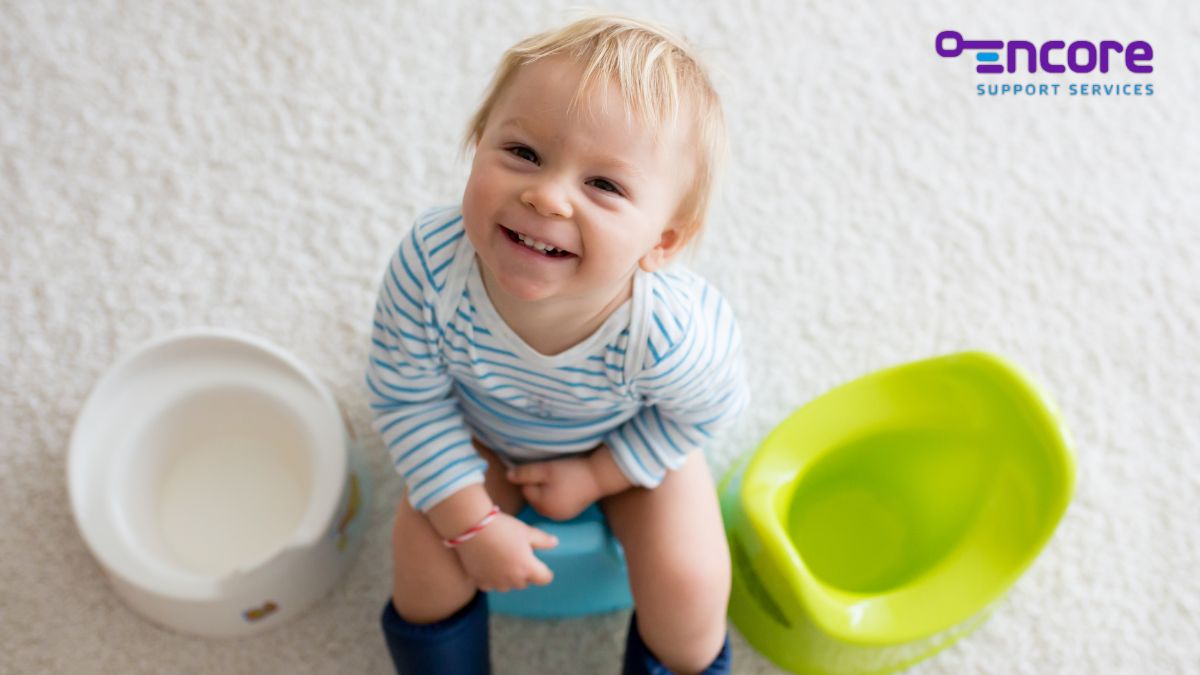 What Does Potty Training Regression Look Like in Autism?
Many autistic children reach toileting independence later than their peers, and even after progress, skills can come and go for a while. A recent study found that among 4 to 5-year-olds, about 49% of autistic children were not yet toilet-trained compared with 8% of typically developing children.
Regression usually shows up as a clear change from your child’s recent pattern. You might see:
- More daytime accidents. A child who stayed dry for hours starts wetting clothes or the floor again.
- Refusal to sit. A child who used to sit calmly resists, cries, or runs away from the bathroom.
- Requests for diapers or pull-ups. A child who uses underwear starts asking for earlier routines.
- Less self-initiation. A child who used to walk toward the bathroom or use a picture now waits until it is too late.
Toileting problems are much more common in autism than in the general population. One review notes that more than half of children with autism have some type of toileting difficulty, compared with about 5–10% of non-autistic children.
When parents see these changes, it helps to treat them as information. Regression often has a reason, and careful observation gives ABA therapy teams clues about what needs to change.
 What Causes Potty Training Regression Autism Children Face?
Regression often has several overlapping triggers rather than one single cause. Looking at daily life through an ABA lens helps families and clinicians see what changed around the time accidents increased.
Routines and Stressful Changes
Autistic children often rely on predictable routines to feel safe. Even small shifts can throw off bathroom patterns. Triggers can include:
- New schedules. A new therapy time, holiday break, or caregiver can disrupt bathroom timing.
- Big life events. Moving house, a new sibling, or family stress can pull attention and energy away from toileting.
- Different settings. Using a toilet at a grandparent’s house or in a clinic may feel unfamiliar.
Children with additional needs, including autism, are more likely to have toileting problems when routines change or anxiety rises. This is why even simple ABA strategies for parents during morning and bedtime routines become important.
Sensory Differences in the Bathroom
Bathrooms can feel intense. Bright lights, echoing noises, cold surfaces, and strong smells can all be hard to manage. For some autistic children, a single change, such as a new air freshener or louder flush, may be enough to trigger avoidance. Common sensory triggers include:
- Sound. Sudden flushing or the sound of hand dryers can feel painful.
- Touch. A cold seat, different underwear fabric, or wet clothing can feel extra uncomfortable.
- Smell and sight. Cleaning products, air fresheners, or clutter can draw attention or cause distress.
When sensory overload pairs with toileting, a child may start holding urine or stool or refuse to go, which can fuel further toilet training setbacks. Gentle positive reinforcement techniques around short, calm sits can help the bathroom feel safer.
Communication Challenges and Non-Vocal Children
Some autistic children have trouble telling adults when they need the toilet or when something feels wrong. Others rely on gestures or behavior instead of spoken language. Signs that communication is part of the regression can include:
- Sudden accidents during highly focused play occur because the child cannot pause to ask.
- Accidents occur more often when different adults are present who do not recognize the child’s signals.
- Challenging behavior occurs when adults guess wrong about what the child needs.
Children with autism are more likely to have toileting resistance when social understanding and communication are harder. ABA programs respond by teaching clear, simple bathroom communication, such as pointing to a picture, pressing a button, or using a short phrase.
Constipation, Pain, and Other Medical Issues
Pain can make any child avoid the toilet. Autistic children have higher rates of gastrointestinal problems, including constipation and abdominal pain, than their peers. Possible warning signs include:
- Hard, painful stools or straining.
- Going several days without a bowel movement.
- Smears or small leaks of stool in underwear.
Urinary tract infections, dehydration, and certain medications can also alter bathroom habits. Any new pain, blood, fever, or sudden change in bathroom habits should go to a pediatrician before toileting plans intensify.
Generalization and Inconsistent Routines
Many autistic children first learn to use one toilet in one very specific way. When details change, skills may seem to disappear. Regression is more likely when:
- Toileting happens only at home, but not at school or in the community.
- Different caregivers use different words, schedules, or rewards.
- Diapers or pull-ups are used at random times during the day.
ABA teams often talk about generalization in ABA therapy, meaning that skills work for new people and in new places. Toileting is no different. A plan that works across settings reduces confusion and helps skills last.
Behavioral Functions Behind Bathroom Accidents
From an ABA perspective, all behavior has a function. Bathroom accidents autism caregivers notice may sometimes serve a purpose for the child. For example, an accident might help them escape a task, gain extra attention, or get back to a preferred activity faster.
Functional behavior assessment examines what usually happens right before and after accidents. That information guides changes so that using the toilet becomes the easier, more rewarding option.
How Can Parents Respond Using ABA-Informed Strategies?
Once medical issues are checked and basic patterns are clearer, effective ABA therapy strategies can help rebuild toileting skills step by step. Small, consistent changes often bring steadier progress than big sudden shifts.
Start With Health and Simple Data
Families help both doctors and BCBAs when they share clear, brief notes about bathroom patterns. Helpful details include:
- Times of accidents and successful toilet trips.
- What the child was doing just before each one.
- Foods, drinks, and medications that have changed in the last few weeks.
Rebuild a Predictable Bathroom Routine
Scheduled practice helps many children regain skills. Instead of waiting for accidents, ABA teams often recommend planned bathroom visits based on data, using simple ABA therapy routines that repeat the same steps each day. Parents can try:
- Regular sits. Bring the child to the toilet on a schedule that fits their patterns, such as every 30–90 minutes while awake.
- Same order each time. Use the same short steps: walk to bathroom, pants down, sit, try, wipe, flush, wash hands.
- Clear daytime clothing rules. Use underwear or training pants during target hours to make it easier to notice and track accidents.
Studies of intensive toilet training show that structured routines with frequent sits and positive reinforcement can improve continence and self-initiation for children with autism.
Use Visual Supports and Communication Tools
Visual supports turn an abstract task into a clear sequence. Many autistic children learn best when they can see the steps. Helpful tools include:
- Picture schedules showing the toileting steps.
- “First–then” boards that pair “first toilet, then favorite activity.”
- Timers that signal when it is time to try again.
For non-vocal children, toileting is a good time to build functional communication through parent-led ABA strategies that are easy to repeat. A single, consistent “toilet” icon or button can reduce frustration for everyone.
Reinforce Success and Respond Calmly to Accidents
Toilet learning improves when children know exactly which behaviors earn praise or rewards. ABA plans usually focus on reinforcing:
- Sitting on the toilet when asked.
- Staying seated for a short agreed time.
- Urinating or defecating in the toilet.
- Asking to go or moving toward the bathroom.
Rewards can be small snacks, favorite toys, or brief access to a preferred video. Accidents still happen even during a good plan. A short, neutral cleanup paired with a simple reminder, such as “pee goes in the toilet,” keeps focus on learning instead of shame.
Keep Everyone on the Same Page
Progress usually comes faster when all adults use the same plan, and ABA parent training helps caregivers learn that plan as well. Parents, grandparents, therapists, and teachers can:
- Share one written routine and reward system.
- Use the same words or visuals for bathroom trips.
- Review data together every week or two and make small changes when needed.
This type of teamwork supports potty training regression autism families are trying to reverse, and makes gains more likely to hold in the long term.
 When Do Toilet Training Setbacks Need Extra Support?
Most regressions ease with steady routines, reinforcement, and time. Some situations call for more intensive ABA involvement or urgent medical review, and communicating effectively with your child’s ABA therapist about new patterns keeps everyone aligned. Extra ABA support may help when:
- Accidents increase sharply for several weeks with no clear pattern.
- A child starts holding urine or stool for long periods.
- Toileting triggers aggressive behavior or self-injury.
Urgent medical care is important when:
- A child has blood in urine or stool, severe pain, fever, or sudden changes in weight.
- Constipation leads to vomiting or severe abdominal pain.
Frequently Asked Questions
Can potty training regression in autistic children happen only at night?
Yes, potty training regression in autistic children can happen only at night. Many children remain dry during the day but wet the bed at night because nighttime bladder control develops later. Regression in autistic children may stem from deep sleep, low interoceptive awareness, or anxiety. Consistent evening routines, fluid control, and calm reinforcement can help restore progress.
How long can potty training regression last for autistic children?
Potty training regression in autistic children can last from several weeks to several months. The duration depends on medical, sensory, and behavioral factors, as well as how consistently structured routines and reinforcement are applied. Persistent regression over several months often signals the need to adjust the toileting plan and review for medical or sensory issues.
Can medication changes contribute to potty training regression in autism?
Yes, medication changes can contribute to potty training regression in autism. Some medications cause constipation or affect bladder control, which can increase accidents or toilet avoidance. When regression follows a new prescription or dose change, tracking bathroom habits and adjusting routines or medications can help reduce accidents.
Get Support for Daily Living Skills With ABA
Potty training regression can add stress to days that already feel full. Families do not have to solve toileting alone, and ABA can give structure, data, and coaching so everyone feels more prepared for the next step.
By working with autism therapy services in New Jersey and New York, families can receive guidance on toileting assessment, behavior plans, and home routines that match their child’s needs. At Encore ABA, we focus on practical skills like toileting, dressing, and communication, so gains in session carry into real life.
If bathroom routines feel stuck or bathroom accidents will not ease up, reach out to us. We can help review patterns, design a clear ABA toileting plan, and support you in turning small daily wins into lasting progress for your child.
Sign Up
Stay up to date and discover
Encore’s news weekly.
[CF7-401] Sign Up form let's talk post
Migrated from Contact Form 7 (ID: 401)
Recent Questions
- How Can Parents Build Healthy Screen Time Autism Routines at Home?
- Will my child ever be perceived as “normal”?
- How do I deal with an intensely emotional child, while juggling daily dut...
- How can I foster the development of early reading skills in my young childr...
- How can I help my child make friends?
Encore Services
Special Ed
-
●
Behavior Modification DIR/Floortime
-
●
Social Skills & Social Thinking
-
●
Speech-Language Therapies
-
●
Multi-Sensory Math & Reading Instruction
-
●
Brain Gym & Physio-neurotherapy
-
●
Hebrew Reading Skill (Kriah) Training
-
●
Hands-On Music Therapy
-
●
Neuropsychological, Nutritional & Behavioral Evaluations
Encore ABA
-
●
Behavior Modification DIR/Floortime
-
●
Social Skills & Social Thinkin
g -
●
Speech-Language Therapies
-
●
Multi-Sensory Math & Reading Instruction
-
●
Brain Gym & Physio-neurotherapy
-
●
Hebrew Reading Skill (Kriah) Training
-
●
Hands-On Music Therapy
-
●
Neuropsychological, Nutritional & Behavioral Evaluations
Submit a Question
Have a question? Please send us your
concern and get answer questions right away.
Migrated from Contact Form 7 (ID: 400)
